
Signs an Aging Parent Shouldn't Live Alone Anymore
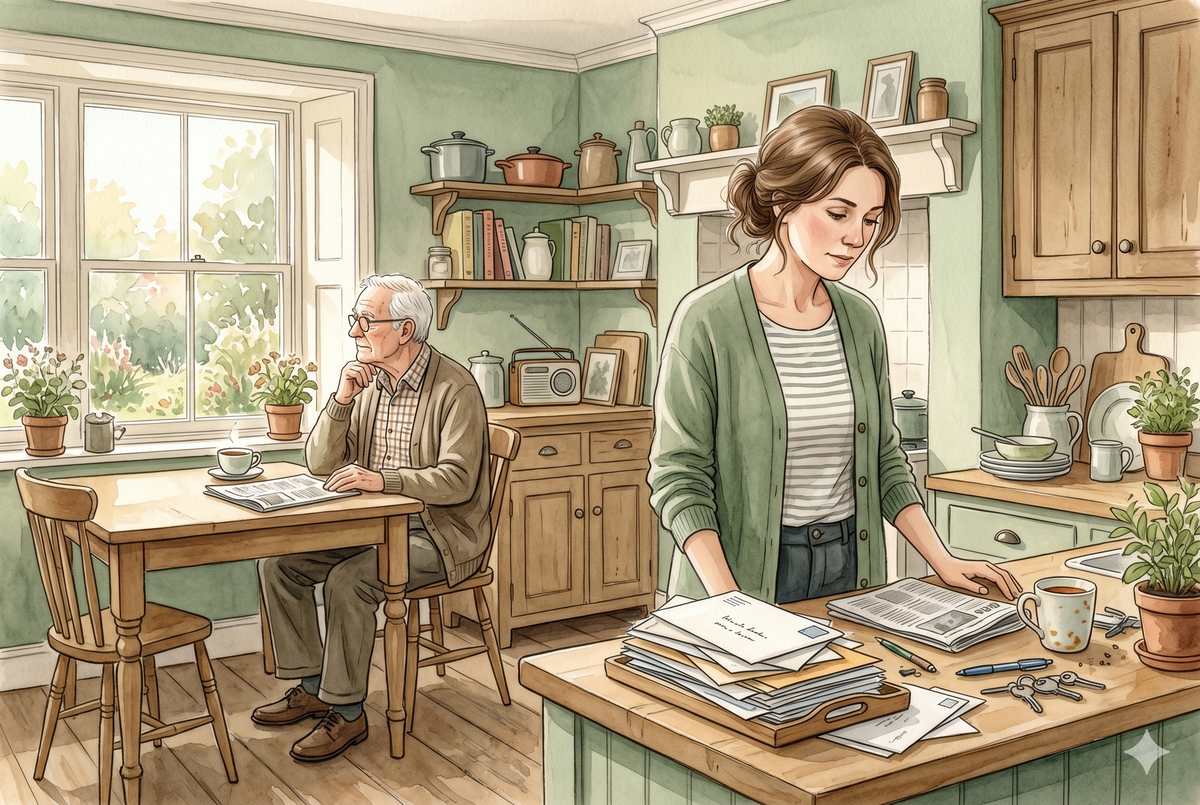
Most families don't decide all at once that a parent shouldn't be living alone. It builds quietly, in small things you start to notice, usually when you visit. The fridge has more expired food than fresh. The same pile of mail sits unopened on the counter. Your father, always sharp with names, asks you the same question twice in an afternoon.
None of those alone means much. We all have off days, and an aging parent is allowed to have them too. What matters is the pattern. When several of these signs show up together, or one of them keeps repeating, it's usually time to take a closer look.
We've helped many Troy families through this exact moment of noticing. Here are the signs that tend to mean the most.
Changes You Can See on Their Body
The physical signs are often the first to show, because the body keeps an honest record.
- Unexplained weight loss. Loose clothing, a thinner face, an empty refrigerator. Often it means cooking has become too hard, or grocery trips have stopped, or appetite has faded along with the energy to prepare a meal.
- Bruises, or a fall they didn't mention. The CDC calls falls the leading cause of injury for adults aged 65 and older, and reports that about one in four older adults say they fall each year. Of those who do fall, roughly 37 percent report an injury needing medical treatment or that kept them off their feet for at least a day. A fall a parent does not mention is easy to miss, so if you spot a bruise and get a vague answer about how it happened, gently press a little.
- Slipping personal care. A parent who was always well-groomed now wearing the same clothes for days, or skipping bathing, often isn't being lazy. Getting in and out of a shower may have started to feel unsafe.
Changes in the Home
The house tells you things your parent won't. Walk through it with fresh eyes.
- Unopened mail and unpaid bills. A stack of envelopes, late notices, or a utility threatening shutoff can signal that managing money and paperwork has become overwhelming.
- Spoiled food, or the same few items uneaten. Open the refrigerator. Expired milk, untouched leftovers, or a freezer full of the same frozen dinners says a lot about whether real meals are happening.
- Signs the stove or kitchen has gotten risky. Scorched pots, a faint burnt smell, or a parent who's quietly stopped cooking because they're afraid of leaving a burner on.
- Clutter, mess, or a home that used to be tidy. A noticeable drop in housekeeping from someone who always kept an orderly home is worth paying attention to.
Changes in Memory and Thinking
These can be the hardest to judge, because everyone forgets things. Look for the difference between forgetting and a pattern that's getting worse.
- Repeating questions or stories within the same conversation.
- Missed medications: pills left in the organizer, refills not picked up, or doses doubled by accident.
- Confusion about time or place, like getting turned around on a familiar drive or losing track of the day.
- Missed appointments that a parent used to keep without fail.
A single forgotten name is nothing. A steady accumulation of these is a reason to talk with their doctor.
Changes in Mood and Connection
Living alone can quietly turn into isolation, and isolation takes a real toll on health.
- Pulling away from friends, church, or activities they used to love.
- Low mood, irritability, or sleeping far more than usual.
- Reluctance to leave the house, sometimes because driving has gotten frightening or the energy just isn't there.
Loneliness isn't only sad. It's linked to faster decline in both body and mind. A parent who's withdrawn may need connection as much as they need help with chores.
One Bad Day, or a Real Pattern?
The honest answer is that it can be hard to tell from a single visit, especially if you don't live nearby. A parent often rallies for company and looks far better for an afternoon than they do on an ordinary Tuesday. A few things help you see clearly:
- Compare to six months ago, not to last week. Slow changes hide in plain sight.
- Talk to people who see them regularly: a neighbor, a friend, the people at church.
- Trust repetition over intensity. One scary moment may be a fluke. The same small problem, again and again, is the pattern that matters.
If you're seeing several of these signs, it doesn't automatically mean a parent needs to move tomorrow. Sometimes the answer is more support at home; sometimes it's time to start exploring assisted living. We wrote a companion piece on knowing when it's time for assisted living that picks up right where this one leaves off.
When You're Not Sure, Ask
You don't have to diagnose this on your own. A parent's physician can assess what's really going on, and the changes you've noticed are exactly the kind of observations a doctor wants to hear.
When families come to us, we don't start with a checklist of deficits. We start with a conversation and an individual assessment, here in Troy, to understand what your parent actually needs and what would genuinely help. If you've been quietly worried after your last visit and want to think it through with someone, we're glad to listen. Reach us at (248) 266-2738 or troygoldenpines@gmail.com.