
Understanding Hospice: What Families Should Know
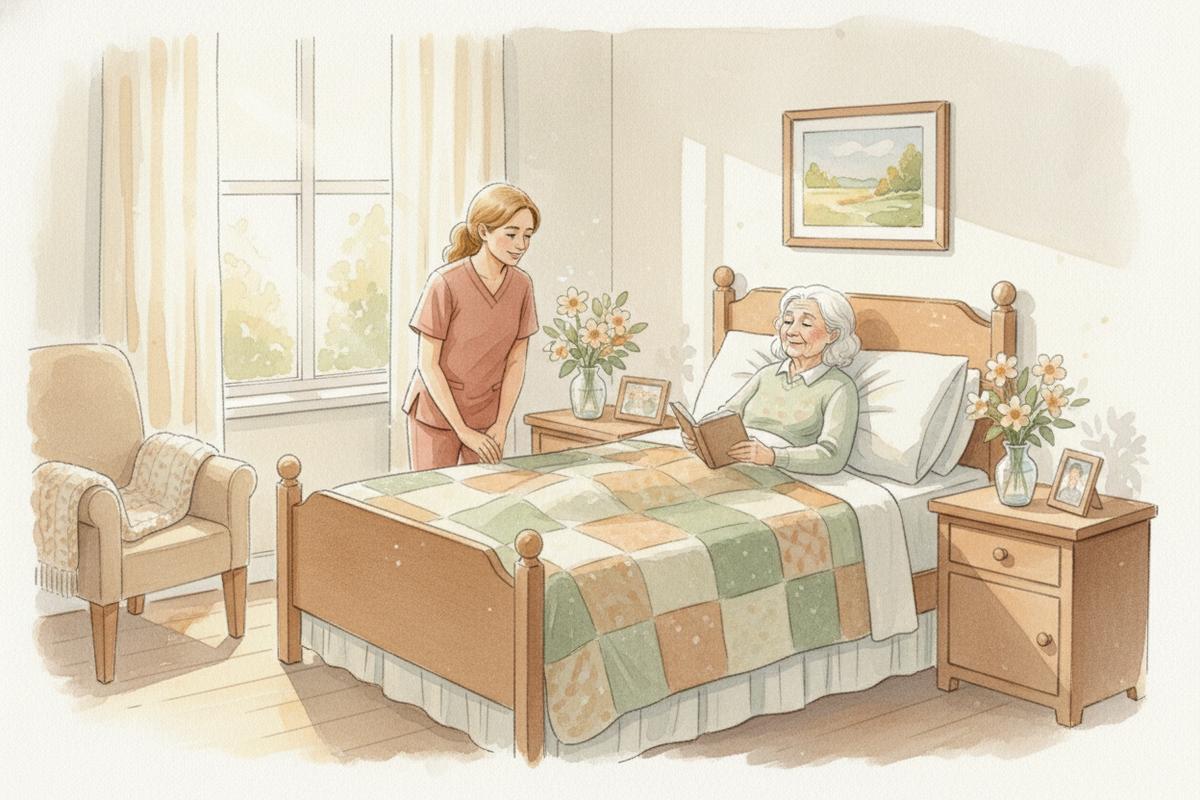
Hospice is the word that stops the conversation. I have seen it happen at our kitchen table more times than I can count. A doctor mentions hospice, or a family member brings it up, and the room goes quiet. Someone tears up. Someone gets angry. Someone says, "We are not there yet," even when they are.
I understand the reaction. Hospice sounds like the end. It sounds like giving up. But after years of working alongside hospice providers in our homes, I can tell you that it is not the end. It is a different kind of care — and for many families, it turns out to be one of the best decisions they make.
What Hospice Actually Is
Hospice is comfort-focused care for people with a terminal illness whose life expectancy is generally six months or less, as determined by a physician. The goal is not to cure. The goal is to make sure the person is comfortable, pain-free, and surrounded by the people and things that matter to them.
That includes medical care. Hospice teams typically include a doctor, nurses, aides, a social worker, a chaplain, and volunteers. They manage pain and symptoms. They handle medications related to comfort. They provide equipment — hospital beds, oxygen, whatever the person needs to be comfortable at home.
And that word, home, is the part most people miss. Hospice does not mean going to a hospice facility. Most hospice care in this country happens wherever the person already lives. In a house. In an apartment. In an assisted living home like ours.
Yes, You Can Get Hospice in Assisted Living
This is the question we get more than almost any other, and the answer is yes. A resident at Golden Pines can receive hospice care without leaving our home. The hospice team comes to us. They work alongside our caregivers. The resident stays in their room, in the house they know, with the people they know around them.
We have been through this with families many times. What usually happens is that a resident's health declines to the point where the focus shifts from daily support to comfort care. The family and the resident's doctor agree that hospice is the right step. A hospice provider enrolls the resident, and from that point on, the hospice team visits regularly — sometimes daily, depending on what is needed.
Our caregivers do not step away. They keep doing everything they have always done. They still help with meals, with bathing, with the daily rhythms of life. The hospice team adds a layer on top of that — managing pain, adjusting medications, and providing the kind of medical attention that end-of-life care requires.
It is a partnership. And when it works well, which it usually does, the resident gets the best of both worlds: the medical expertise of the hospice team and the personal familiarity of a home and caregivers who have known them for months or years.
Why Families Wait Too Long
The most common thing families tell us after starting hospice is, "We wish we had done this sooner."
They say this because they expected hospice to feel like defeat. What it actually felt like was relief. The pressure to fix things, to pursue more treatments, to keep fighting — that pressure lifts. In its place comes something quieter. Permission to focus on comfort. Permission to be present instead of managing a medical crisis. Permission to let the person they love have peaceful days instead of stressful ones.
Families wait because hospice feels final. But here is something most people do not know: you can stop hospice at any time. If a resident improves or the family changes their mind, the person can come off hospice and return to regular care. It happens more often than you might think. Hospice is not a door that locks behind you.
I have seen residents on hospice for weeks, for months, and in a few cases, longer. Some of them stabilize. A few have come off hospice altogether. The timeline is not fixed, and the decision is always in the family's hands.
What It Looks Like in Our Homes
I want to be honest about what this looks like, because I think families deserve honesty more than comfort.
When a resident is on hospice at Golden Pines, the house does not change dramatically. The other residents still eat their meals, watch television, sit in the sunroom. Life continues. But there is a gentleness around the edges. Our caregivers check in on the hospice resident more frequently. The hospice nurse comes and goes. Family visits happen whenever the family wants — there are no visiting hours.
The resident's room becomes their world. We make sure it is comfortable. We make sure they are not alone unless they want to be. We play music they like. We keep the curtains open if they want light or closed if they do not. We follow their lead, even when they can no longer tell us what they want in words. By then, our caregivers know.
We have had families from Sterling Heights and all over the Troy area ask whether their loved one would need to move to a hospital or a separate facility for hospice. The answer is almost always no. They stay right here.
Choosing a Hospice Provider
In Michigan, there are many hospice providers, and families sometimes ask us which one to choose. We work with several and we are happy to share what we know. Here are a few things to consider:
Responsiveness. When you call the hospice team, how quickly do they get back to you? In the middle of the night, who answers the phone? This matters more than anything on a brochure.
Communication. A good hospice team keeps the family informed — clearly, honestly, and with compassion. If you feel like you are chasing them for updates, that is a problem.
Compatibility with the care home. The hospice team and our caregivers need to work well together. We have strong relationships with the providers we recommend because we have seen how they operate inside our homes.
Your loved one's doctor can also make a referral, and most insurance, including Medicare, covers hospice care fully.
The Hardest Easy Decision
I am not going to pretend that any of this is easy. It is not. Agreeing to hospice means accepting something that nobody wants to accept. But I have watched enough families go through it to know that the acceptance, when it comes, brings something that the fighting never did. It brings peace.
Not for the disease. Not for the loss. Peace in the daily experience. Peace in knowing your loved one is comfortable. Peace in being able to sit with them and hold their hand without wondering whether you should be doing something else.
If your family is facing this decision, talk to us. We will not rush you. We will not tell you what to do. We will tell you what we have seen, and we will help you find the right path.
Call (248) 266-2738 or email troygoldenpines@gmail.com.